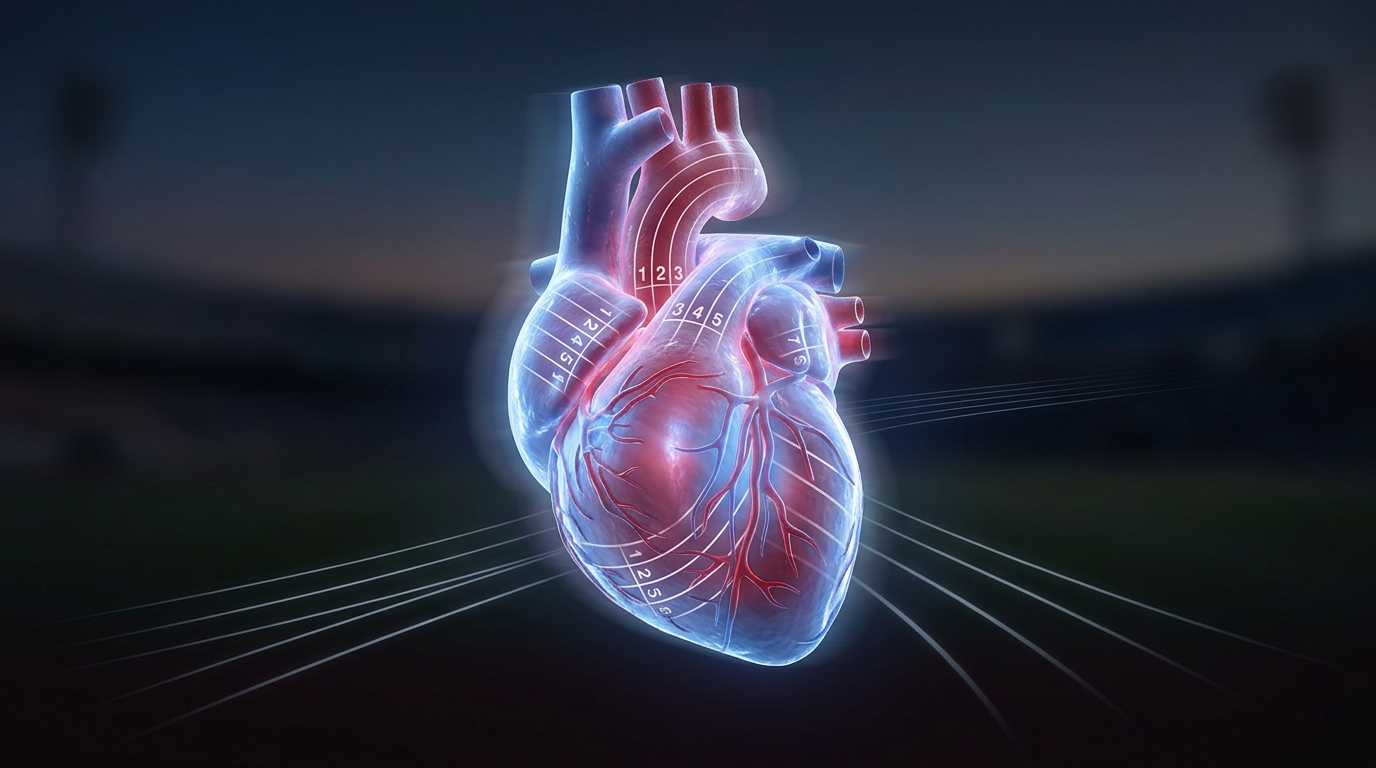
Exercise for a Healthy Heart: The Fitness and Heart Health Benefits You Need to Know
Exercising on a regular basis is essential for maintaining a healthy heart. There are many fitness and heart health benefits that come with exercising, and it’s important to be aware of these benefits so that you can make sure to get the most out of your workouts. In this blog post, we’ll discuss the importance of exercise for heart health and explore the various fitness and heart health benefits that come with regular exercise.
How Exercise Affects Heart Health
Exercising on a regular basis is essential for maintaining a healthy heart. Regular exercise helps improve your circulation, lowers your risk of cardiovascular disease, and reduces your blood pressure. Exercise also helps strengthen your heart muscle, allowing it to work more efficiently.
When you exercise, your heart rate increases and your body releases endorphins, which helps improve your mood and reduce stress levels. Research has also found that exercise can reduce the risk of stroke, heart attack, and other cardiovascular diseases.
Exercise helps reduce the risk of type 2 diabetes, which can also lead to heart disease. Exercise strengthens your arteries, reducing the risk of plaque buildup in your arteries. It also increases your good cholesterol (HDL), which helps remove bad cholesterol (LDL) from your body.
Overall, exercise is essential for maintaining a healthy heart. Regular physical activity helps reduce the risk of heart disease, stroke, diabetes, and other medical conditions. So make sure to get at least 30 minutes of physical activity each day to keep your heart in good shape!
The Best Type of Exercise for Heart Health
Exercise is one of the most important things you can do to improve your heart health. There are many different types of exercise, so it can be difficult to know which ones are best for your heart. It’s important to find an activity that you enjoy and stick with it.
Aerobic exercise is one of the most beneficial types of exercise for heart health. Aerobic activities involve sustained, rhythmic movements that get your heart rate up and keep it there for a period of time. Examples of aerobic exercises include jogging, swimming, cycling, walking, dancing, and stair climbing. These activities increase your heart rate and strengthen your heart muscles, reducing the risk of cardiovascular disease.
Strength training is another type of exercise that is important for heart health. Strength training helps build muscle and increases your metabolism, which can help reduce your risk for heart disease. Resistance bands, weights, and bodyweight exercises are all great ways to incorporate strength training into your fitness routine.
It’s also important to add some flexibility and balance exercises into your routine. These activities help improve posture and balance, reduce stress, and improve your range of motion. Examples of flexibility exercises include yoga, pilates, tai chi, and stretching.
Finally, make sure to include some kind of physical activity into your day-to-day life. Try to take regular walks during the day or go for a bike ride on the weekends. Anything that gets you moving is beneficial for your heart health.
Remember, the key to successful exercise is consistency. Try to set realistic goals and find activities that you enjoy so you can stick with them long-term. When it comes to heart health, no amount of exercise is too small.
How Much Exercise is Enough?
When it comes to heart health and fitness, the key is to find the right balance. You need to make sure that you’re getting enough exercise, but not overdoing it.
In general, the American Heart Association recommends that adults should aim for at least 30 minutes of moderate-intensity aerobic activity (such as walking) five days a week. If you want to gain more health benefits, increase your level of physical activity up to 60 minutes per day, four or five days a week.
But if you can’t find the time for a full hour of exercise each day, you can still get great heart health benefits from shorter bouts of exercise. Research has found that even 10 minutes of exercise can help lower your risk of heart disease.
It’s important to note that intensity matters as well as duration. Vigorous activities such as running, swimming, or circuit training can reduce your risk for heart disease even more than moderate activities. And if you’re short on time, a single high-intensity interval workout can provide many of the same benefits as hours of steady cardio.
Finding an exercise routine that works for you and fits into your schedule is key to getting the most out of your heart health and fitness efforts. Everyone’s needs are different, so talk to your doctor about the best plan for you.
Other Factors to Consider
In addition to exercise, there are other factors to consider when it comes to your heart health. Nutrition plays an important role in the health of your heart. Eating a balanced diet with plenty of fruits and vegetables, whole grains, lean proteins, and healthy fats can help keep your heart healthy and strong. Additionally, limiting the amount of processed foods and added sugars can be beneficial for your overall health.
It is also important to consider any risk factors you may have for developing heart disease, such as family history or high cholesterol. It is wise to speak with your healthcare provider about any lifestyle changes you may need to make to improve your heart health. For example, if you have high cholesterol, a doctor may recommend taking a cholesterol-lowering medication or changing your diet and exercise routine to reduce cholesterol levels.
Finally, reducing stress is an important factor to consider when it comes to heart health. Stress can have a negative effect on your heart, so finding ways to manage it can be beneficial. Stress management techniques such as yoga, meditation, journaling, or talking with a therapist can help keep your stress levels in check.
By making small changes in your lifestyle and following a healthy diet, exercising regularly, and managing stress, you can make great strides towards improving your heart health. Taking steps today to maintain a healthy heart can help you feel your best for years to come.