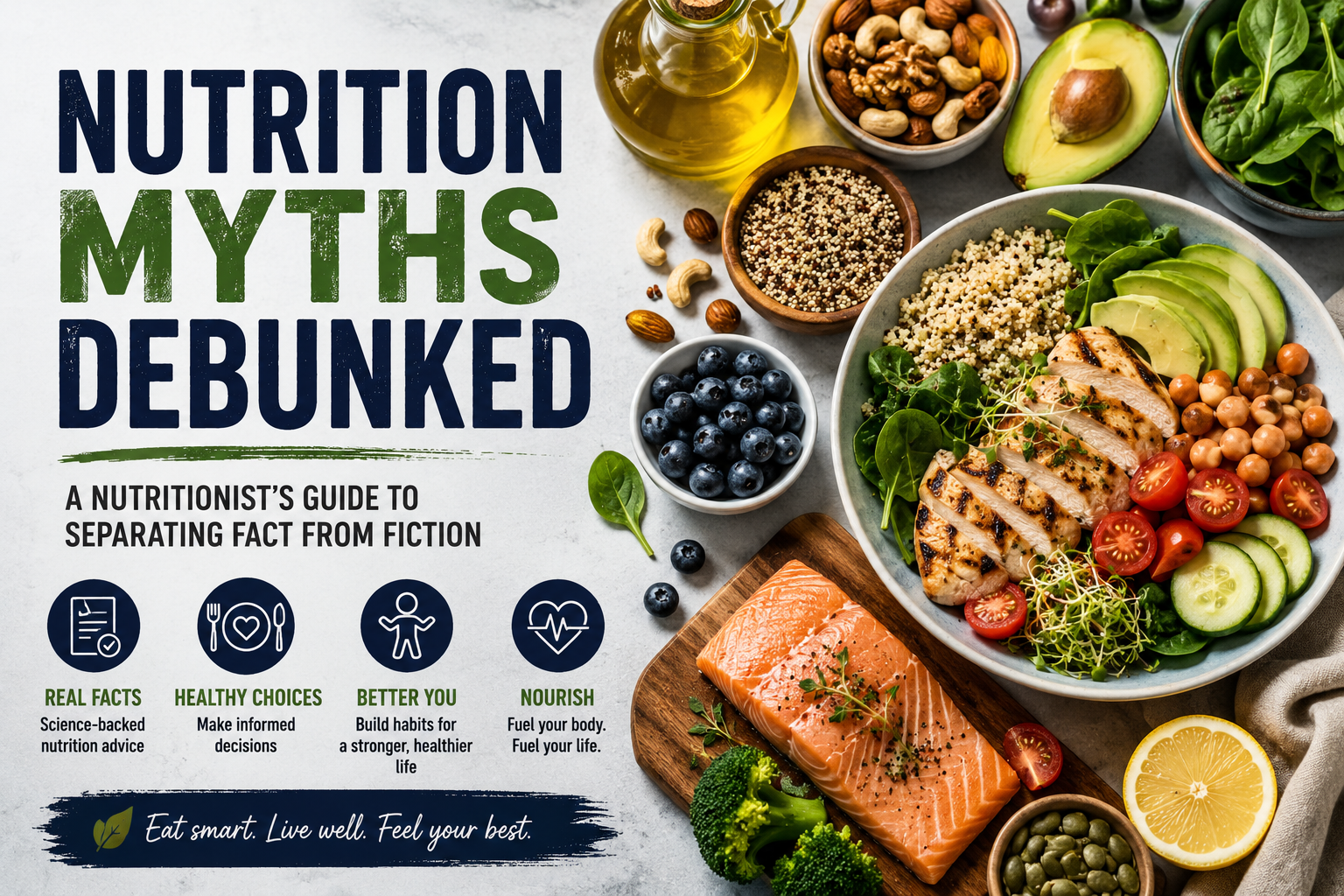
A Nutritionist’s Guide: Common Diet Myths Debunked
Are you confused by all the diet myths out there? Nutritionists hear it all the time; carbohydrates are bad, dairy is unhealthy, you should only eat organic foods, and so much more. With so much advice out there, it can be difficult to separate fact from fiction. That’s why we’ve put together this nutritionist’s guide to debunking the most common diet myths. In this guide, we’ll look at the truth behind these common diet myths and help you make informed decisions about your eating habits.
Myth #1: I Can Eat Whatever I Want if I Exercise
One of the most popular diet myths out there is the idea that as long as you exercise, you can eat whatever you want without any consequences. Unfortunately, this couldn’t be further from the truth.
While exercise is an important part of a healthy lifestyle, it is not a magic solution that allows you to eat junk food without any repercussions. The truth is, what you eat is just as important as how much you exercise.
The number of calories you burn during a workout is generally less than what you might think, so it’s important to be mindful of the foods you are putting into your body. Even if you exercise regularly, a diet high in processed foods and unhealthy fats can lead to weight gain, inflammation, and a host of other health problems.
Instead of relying solely on exercise to maintain your weight and health, focus on nourishing your body with nutrient-dense whole foods. Incorporate plenty of fruits, vegetables, lean proteins, and healthy fats into your diet, and limit your intake of processed and sugary foods.
In short, while exercise is important for overall health, it’s not a pass to eat whatever you want. A healthy diet and regular physical activity go hand in hand when it comes to living your best life.
Myth #2: I Shouldn’t Eat Late at Night
You may have heard the saying “eat breakfast like a king, lunch like a prince, and dinner like a pauper”. While there is some truth to this statement, it doesn’t necessarily mean that eating late at night is always a bad idea.
Many people believe that eating late at night will cause them to gain weight or disrupt their sleep. However, research suggests that this may not be the case for everyone. In fact, some people may benefit from eating a small, balanced snack before bedtime.
One study found that consuming a high-protein snack before bedtime helped overweight men feel fuller and more satisfied until the next morning. Another study showed that athletes who ate a high-carbohydrate meal before bed had better muscle recovery and improved glycogen storage.
So, what should you do if you feel hungry before bedtime? The key is to choose healthy, nutrient-dense foods that won’t disrupt your sleep. Avoid high-sugar, high-fat foods that can cause indigestion and keep you awake.
Some healthy late-night snack options include:
– A small handful of nuts
– Greek yogurt with fruit
– Hummus and veggies
– A hard-boiled egg
– A slice of whole-grain toast with avocado
Overall, it’s important to listen to your body’s hunger cues and eat when you need to. Don’t worry too much about the time of day – focus on choosing healthy, satisfying foods that will fuel your body and support your goals.
Myth #3: Carbs are Bad for Me
The idea that carbs are bad for you is one of the most common diet myths out there. Carbohydrates are an essential nutrient and play a vital role in providing energy to your body. Cutting out carbs entirely can actually be harmful to your health, as your body needs them to function properly.
There are different types of carbohydrates, including simple and complex carbs. Simple carbs are found in foods like candy, soda, and pastries. They are often referred to as “empty calories” because they provide little to no nutritional value. Consuming too many simple carbs can lead to weight gain and health issues such as diabetes.
On the other hand, complex carbs are found in foods like fruits, vegetables, and whole grains. They are rich in vitamins, minerals, and fiber, and provide sustained energy to your body. Incorporating complex carbs into your diet is crucial for maintaining a healthy weight and reducing your risk of chronic diseases.
When it comes to weight loss, it’s important to focus on the quality and quantity of carbs you consume. Eating too many calories from any nutrient can lead to weight gain, so it’s important to practice portion control and balance your carb intake with other macronutrients like protein and healthy fats.
Myth #4: All Fats are Bad for Me
It’s time to stop fearing all types of fat! While it’s true that consuming excessive amounts of unhealthy fats, such as trans and saturated fats, can lead to health problems, your body actually needs healthy fats for optimal function.
Healthy fats, such as monounsaturated and polyunsaturated fats, help improve heart health, support brain function, and aid in nutrient absorption. Sources of healthy fats include avocados, nuts, seeds, fatty fish, and olive oil.
Studies have shown that following a diet rich in healthy fats can actually lead to weight loss and improved cholesterol levels. So don’t be afraid to add a serving of healthy fats to your meals – just be mindful of portion sizes and balance your intake with other nutrient-dense foods.
Myth #5: I Need to Detox
Detox diets have been gaining popularity in recent years, with many people believing that they can rid their body of toxins and improve their health. However, the truth is that there is no scientific evidence to support the idea that detox diets are effective.
The body already has built-in detoxification processes, including the liver and kidneys, which are able to filter out toxins on their own. The idea that we need to follow a specific diet or consume certain products to “detox” is simply a marketing ploy.
Detox diets often involve cutting out certain food groups or drastically reducing calorie intake, which can actually be harmful to your health. Restrictive diets can lead to nutrient deficiencies, dehydration, and even damage to your organs.
Instead of following a detox diet, focus on consuming a balanced diet with a variety of nutrient-rich foods. Eating a variety of fruits and vegetables, whole grains, lean proteins, and healthy fats will provide your body with the nutrients it needs to function at its best.
In addition to eating well, it’s important to stay hydrated by drinking plenty of water throughout the day. This can help support the body’s natural detoxification processes and keep you feeling energized and healthy.
Myth #6: I Need to Drink Eight Glasses of Water a Day
Many people have heard the advice that they need to drink eight glasses of water a day. This has been repeated so often that it’s taken on the status of a nutritional commandment. However, the truth is that the “eight glasses” rule is actually a myth.
The idea that everyone needs to drink eight glasses of water per day is not based on scientific research. Instead, it’s an idea that’s been perpetuated over time, without any real evidence to back it up. In reality, the amount of water each person needs to drink varies depending on factors like age, weight, sex, and activity level.
That being said, staying hydrated is still incredibly important for your health. Dehydration can lead to fatigue, headaches, and even kidney problems. But instead of focusing on the specific number of glasses you need to drink each day, it’s better to listen to your body.
When you feel thirsty, drink some water. When you exercise, drink more water to replenish the fluids you’ve lost. When you’re in a hot or dry environment, you’ll need more water than you would on a cool, rainy day.
In general, it’s a good idea to drink water throughout the day, especially when you’re feeling thirsty. You can also get hydration from other sources, like fruits and vegetables, soups, and other liquids like tea or coffee.
The best rule of thumb is 50% of your body weight in ounces a day
Myth #7: I Can’t Eat Gluten
Gluten-free diets have gained significant popularity in recent years, with many people swearing off gluten altogether. But for most people, there’s no reason to avoid gluten. In fact, unless you have a medical condition like celiac disease or gluten sensitivity, there’s no evidence to suggest that eliminating gluten from your diet will offer any benefits.
For people with celiac disease or gluten sensitivity, consuming gluten can cause significant health problems. Celiac disease is an autoimmune disorder that damages the lining of the small intestine when gluten is consumed. Gluten sensitivity, on the other hand, causes digestive issues like bloating, gas, and diarrhea.
However, for most people, there’s no reason to eliminate gluten from their diets. Gluten-containing foods like whole grains, bread, pasta, and cereal offer important nutrients like fiber, vitamins, and minerals. Eliminating these foods can result in nutrient deficiencies and other health issues.
Furthermore, many gluten-free products are highly processed and contain large amounts of added sugars and fats, which can lead to weight gain and other health problems.
So unless you have a specific medical condition that requires you to avoid gluten, there’s no reason to cut it out of your diet. Instead, focus on eating a well-balanced diet that includes a variety of whole, nutrient-dense foods, including gluten-containing grains and products. If you’re concerned about digestive issues, talk to a healthcare provider or a registered dietitian to identify the root cause of your symptoms and create a plan that meets your unique needs.
Myth #8: I Need to Cut Out Dairy
Dairy products, including milk, cheese, and yogurt, have long been a staple of many people’s diets. However, there is a common belief that dairy should be avoided due to the high fat content or concerns about lactose intolerance.
But the truth is, dairy can actually provide many important nutrients that our bodies need, including calcium, vitamin D, and protein. Cutting out dairy entirely could potentially lead to deficiencies in these essential nutrients.
For those who are lactose intolerant, there are lactose-free dairy options available such as lactose-free milk and yogurt. Additionally, many non-dairy alternatives are fortified with calcium and other nutrients, such as almond milk or soy milk.
It’s also worth noting that not all dairy products are created equal. Choosing low-fat or fat-free dairy options can provide the same benefits without the added saturated fat.
Ultimately, cutting out dairy entirely may not be necessary for everyone. Consulting with a registered dietitian can help determine individual dietary needs and preferences.
Myth #9: I Shouldn’t Eat Eggs
Eggs have long been vilified for their high cholesterol content, leading many to avoid them in their diets. However, recent studies have shown that the cholesterol in eggs has little to no impact on blood cholesterol levels in most people. In fact, eggs are an excellent source of protein, essential vitamins, and minerals.
The yolks of eggs contain important nutrients like choline, which is essential for brain health, and vitamin D, which helps our bodies absorb calcium for strong bones. The protein in eggs is also highly bioavailable, meaning our bodies can easily absorb and use it.
Furthermore, studies have shown that including eggs in our diets can even help with weight loss. A study published in the International Journal of Obesity found that people who ate eggs for breakfast felt fuller for longer and ate fewer calories throughout the day than those who ate a carbohydrate-based breakfast.
Of course, like all foods, eggs should be consumed in moderation as part of a balanced diet. If you have concerns about your cholesterol levels, speak to your healthcare provider to determine what is best for you.
Myth #10: I Should Only Eat Organic Foods
There’s no denying that organic foods have been a popular trend in the world of health and wellness for quite some time now. The idea of eating fruits and vegetables that are free from synthetic pesticides and fertilizers definitely sounds appealing. However, it’s important to debunk the myth that organic foods are the only way to eat healthily.
Yes, organic foods are great because they’re free from pesticides and other chemicals. But, they can also be expensive and hard to find, depending on where you live. Plus, there’s no concrete evidence to suggest that they’re actually more nutritious than conventionally grown fruits and vegetables.
That being said, it’s always important to make sure you’re getting the right nutrients in your diet, whether you’re eating organic or not. And, it’s also important to remember that not everyone has the means to purchase organic foods.
If you’re interested in incorporating more organic foods into your diet, that’s great! Just remember that you can still eat healthily without them. Focus on getting a balanced diet with plenty of fruits, vegetables, whole grains, and lean protein. That’s really what matters in the end.
Overall, it’s essential to keep in mind that organic foods are not a necessity for good health. If you can afford them and enjoy eating them, go for it. But, if you can’t, that’s perfectly fine too. It’s all about balance and finding what works best for your body.