Fun and Effective Exercises for Individuals with Disabilities
Exercising is an important part of staying healthy and active, but it can be difficult for individuals with disabilities. Fortunately, there are adaptive exercises designed specifically to meet the needs of people with disabilities. These exercises are not only effective in helping people stay healthy, but they can also be fun and enjoyable! In this blog post, we’ll look at some of the best exercises for individuals with disabilities and provide tips for making them even more enjoyable.
Cardio
Cardiovascular exercise is crucial for everyone, including individuals with disabilities. Engaging in activities that get your heart pumping and blood flowing is not only good for your overall health, but it can also improve your mood and boost your energy levels.
Here are some adaptive exercises that individuals with disabilities can do to get their hearts pumping:
1. Wheelchair sprints: Wheelchair sprints are an excellent way to get your heart rate up. If you have access to a track, try pushing your wheelchair as fast as you can for short intervals. If you don’t have access to a track, find a flat surface, and do a few laps back and forth.
2. Swimming: Swimming is a low-impact activity that can be done by individuals with a wide range of disabilities. It is an excellent form of cardiovascular exercise as it engages many muscle groups in the body. If you have limited mobility, try using a flotation device to help you stay afloat.
3. Hand cycling: Hand cycling is a great option for individuals with lower-body impairments. You can do it indoors or outdoors and can vary the intensity depending on your fitness level.
4. Dancing: Dancing is an enjoyable and accessible way to get your heart pumping. Many studios offer adaptive dance classes, and there are plenty of online resources available as well.
Remember to always consult with your doctor or physical therapist before beginning any new exercise program. They can help you develop a plan that is safe and effective for you.
Strength Training
Strength training is an important aspect of any fitness routine, and it’s no different for individuals with disabilities. The benefits of strength training include increased muscle mass, improved bone density, better overall body mechanics, and enhanced metabolic rate.
If you’re looking to incorporate strength training into your routine, there are plenty of adaptive exercises that you can do. Here are some ideas:
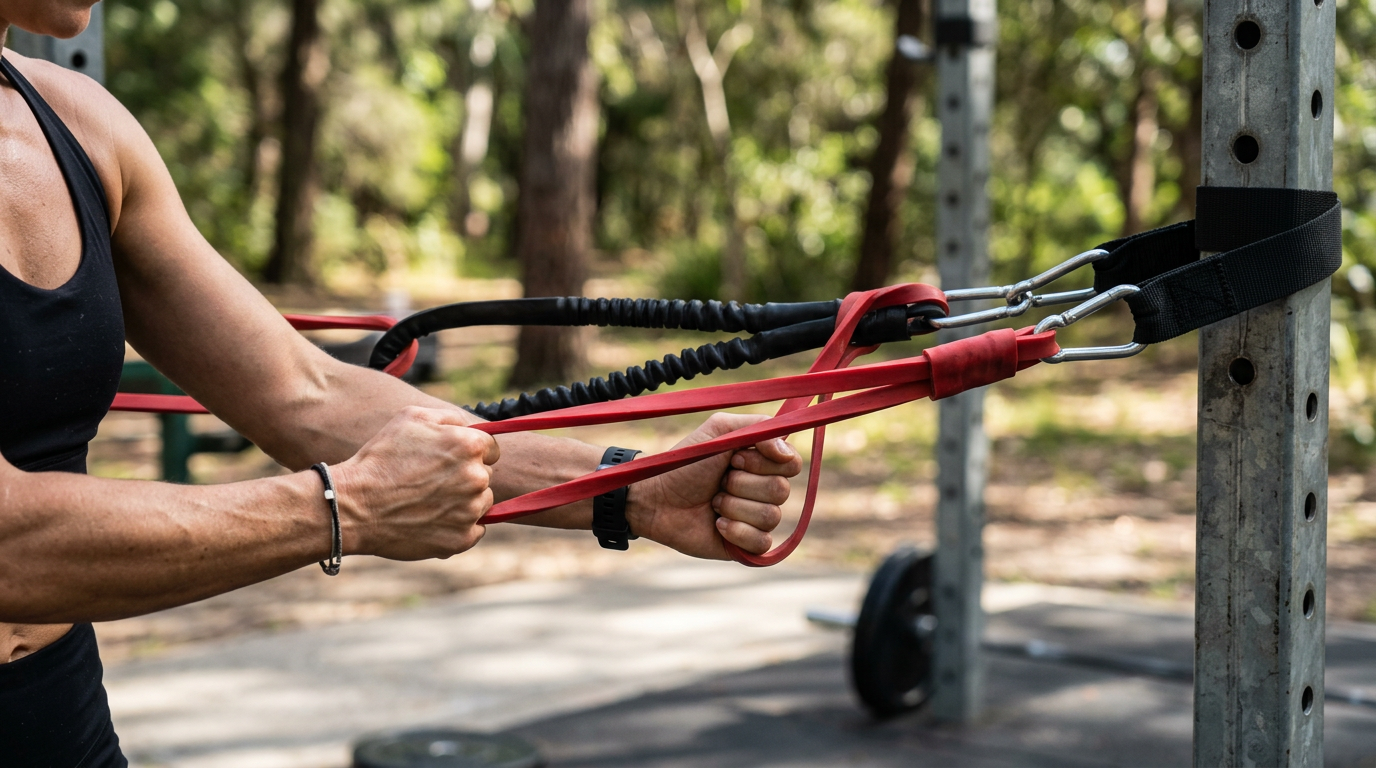
1. Resistance Band Exercises: Resistance bands are a great way to build strength without the use of heavy weights. They come in different strengths and can be used to target specific muscle groups. Some exercises to try including bicep curls, triceps extensions, and leg extensions.
2. Bodyweight Exercises: You don’t need a gym or any equipment to build strength. Bodyweight exercises such as squats, push-ups, and lunges can all be adapted for individuals with disabilities.
3. Weight Machines: Many gyms have weight machines that can be adapted for individuals with disabilities. These machines allow for a full-body workout and can target specific muscle groups.
It’s important to consult with a fitness professional or physical therapist before starting any strength training routine. They can help you determine the appropriate weight, repetitions, and exercises based on your individual needs.
Incorporating strength training into your fitness routine can help you build muscle, improve bone density, and enhance your overall physical abilities. Don’t be afraid to get started and take the first step towards a stronger, healthier you!
Balance and Coordination
Balance and coordination are essential skills for anyone to have, but for people with disabilities, they can be particularly challenging. However, there are adaptive exercises that can help individuals improve their balance and coordination, allowing them to navigate their surroundings more easily and safely.
One exercise that can help improve balance and coordination is standing on one leg. Begin by standing next to a sturdy chair or wall for support, then lift one leg off the ground and hold it for as long as possible. Repeat with the other leg. You can also try walking heel-to-toe in a straight line or standing on a wobble board or balance cushion.
Another exercise that can improve balance and coordination is seated marches. Sit on the edge of a chair with your feet flat on the ground. Lift one knee towards your chest and lower it back down, then repeat with the other knee. You can also try tapping your toes or heels on the ground in alternating patterns.
Coordination can also be improved through exercises that focus on hand-eye coordination. This can include throwing and catching a ball or playing simple games like Simon Says or Whack-a-Mole.
Remember to always work at a pace that is comfortable for you and to seek the advice of a medical professional before starting any new exercise program. There are also many resources available online and in-person that can provide guidance on adaptive exercises for people with disabilities, so don’t be afraid to explore your options.
Flexibility
Flexibility is an essential part of fitness for people with disabilities. Having good flexibility can improve posture, range of motion, and help prevent injury. Here are some exercises that are adaptable for people with disabilities:
1. Seated Forward Bend: Sit on a chair or bench with your feet flat on the ground. Slowly bend forward from the hips, reaching your hands towards your toes. Hold the stretch for 10-15 seconds and repeat.
2. Seated Leg Stretch: Sit on the ground with your legs straight in front of you. Slowly reach your hands towards your toes, keeping your back straight. Hold the stretch for 10-15 seconds and repeat.
3. Quad Stretch: Stand next to a wall or chair for support. Grab your ankle and bring your heel towards your buttocks. Hold the stretch for 10-15 seconds and repeat on the other side.
4. Shoulder Stretch: Stand with your feet shoulder-width apart. Bring one arm across your chest and use your other arm to pull it towards your chest. Hold the stretch for 10-15 seconds and repeat on the other side.
5. Neck Stretch: Sit or stand with your back straight. Slowly turn your head to one side and hold for 10-15 seconds. Repeat on the other side.
It’s essential to stretch regularly, at least once a day, to see progress. Remember not to push yourself too hard and listen to your body. If a stretch is uncomfortable, back off, and try something else.
Flexibility can also be improved through yoga, Pilates, and tai chi. All these activities focus on stretching and flexibility, but you’ll need to find an instructor who specializes in adapting movements for people with disabilities.
Resources
In addition to the adaptive exercises discussed in this post, there are a variety of resources available to individuals with disabilities looking to improve their fitness and overall well-being. Here are a few to check out:
– The National Center on Health, Physical Activity, and Disability (NCHPAD) offers a variety of resources for individuals with disabilities, including exercise videos, informational articles, and even a directory of inclusive fitness facilities.
– The Adaptive Sports Center offers a variety of adaptive sports and recreation programs for individuals with disabilities, including skiing, snowboarding, and mountain biking.
– The American Council on Exercise (ACE) offers a variety of resources for individuals with disabilities looking to become certified fitness professionals or learn more about inclusive fitness practices.
– The National Wheelchair Basketball Association (NWBA) offers a variety of resources for individuals with disabilities interested in wheelchair basketball, including coaching resources, a directory of teams, and upcoming events.
No matter your interests or fitness goals, there are resources out there to help you achieve them. Don’t be afraid to explore and find what works best for you!